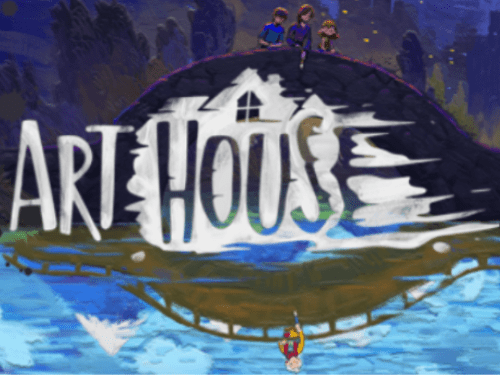
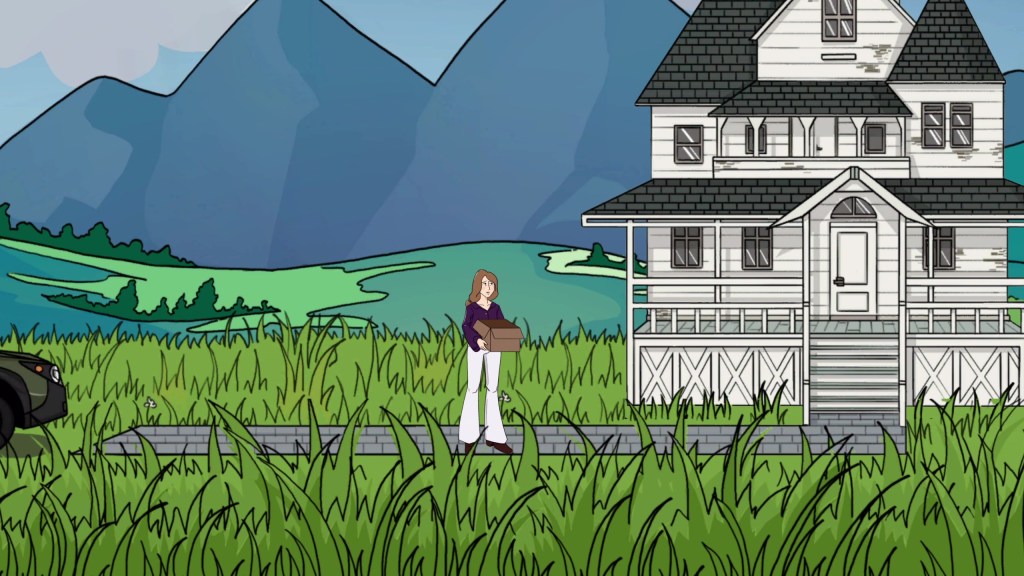
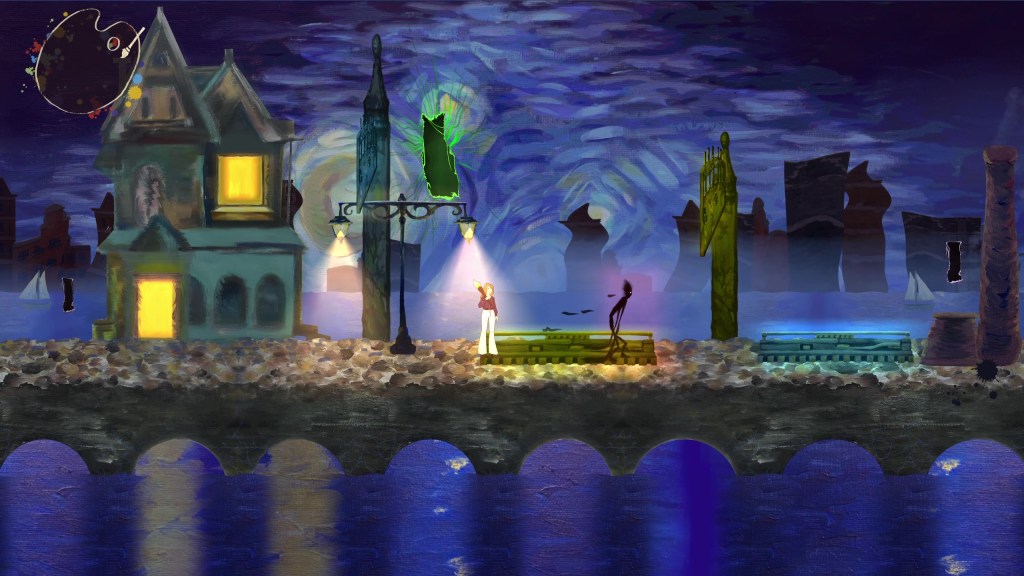
Art House is a 2-D puzzle platformer that follows the story of a mother and her two kids returning to their late grandmothers’ house. Upon arrival, they find their grandmother’s old paintings and mysteriously get sucked into them. Using the key mechanic of layer switching along with a paintbrush that allows them to change the fabric of the canvas they walk on, they make their way across each level, evading manifestations of the mother’s grief of the grandmother’s death.
Art House was developed as a capstone project for USC’s Advanced Games Project course.
Design Lead
I was the lead designer of Art House. I managed a team of four people and ran biweekly design meetings, assigned tasks as needed, and designed the systems that make the game work. I also coordinated closely with other departments such as Engineering and Usability to facilitate a smooth development process.
I oversaw the implementation of every design aspect of Art House, including some of my own ideas.
Level Design
Conceptualized many puzzles and paths for the player as well new platforms for traversal that stun enemies and damage the player at periodic points. Worked on preventing softlocks and unintended design features that arise from a game that utilizes a pseudo-sandbox mechanic.
Enemy Design
Conceptualized numerous unique enemy types including one that shifts through layers of the painting and teleports randomly on the screen. Worked on the speed and timing of enemy patrol to keep gameplay moving and paced accordingly.
Systems Design
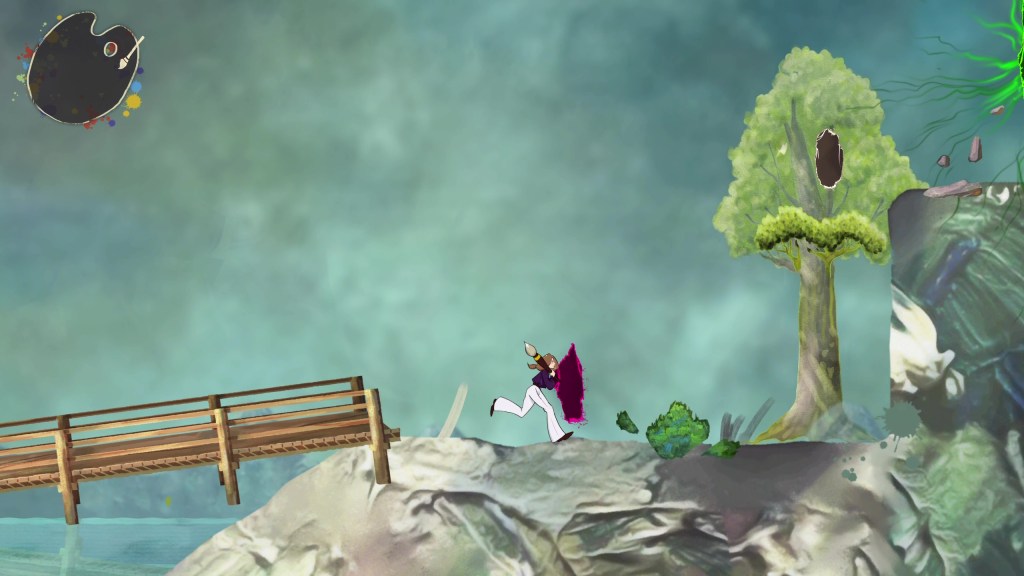
Rehauled the original design of the game to better fit the narrative and be more fun to play. Conceptualized the new key mechanic of the paintbrush that allows players to paint and un-paint objects in the environment.
Lessons
Art House was originally a prototype from an advanced Unity class, and was later chosen to be developed as a part of USC’s Advanced Games Project class. This meant that we had a base to develop from. At the start of the development, every team iterated on the previous elements that were given to them rather than starting fresh and taking more time.
About halfway through the design development process of this game, I realized something wasn’t clicking. Our ideas were becoming stale, the puzzles weren’t as interesting as they needed to be, and in general, something needed to change.
I took initiative, and brought up my concerns during our weekly department leads meetings. I wanted to overhaul the design of the game, and recenter our key mechanics from the original game.
This late in the development cycle, a change like this was severely risky. If anything went wrong, or the change didn’t go as well as I hoped, the game would be in a very bad state with almost no time to salvage what we could.
I had faith in the team that we could do it, and the game director and leads chose to put their faith in me as well. We announced to the team that we would be making this massive design shift, and that we would need to work hard to get it done.
Two months later, at the time of writing this section, I’m proud to say we did it. Our game has drastically improved in almost every way. Our puzzles are more fun, the design ties in closer to our narrative, and the game feels fresh. I’m incredibly proud of my team and thankful that they trusted me to take the leap of faith we did!
 Calder Swiderski
Leave a comment